

Navigating the complexities of family law can feel like traversing a minefield blindfolded. At Steslicki & Ghannam, PLC, we understand the stress and uncertainty you're facing. That's why we're committed to providing Excellence, Expertise, Integrity, Collaboration, and Compassion every step of the way. To help ease your concerns, we've compiled answers to four common questions we encounter at our Plymouth, Michigan firm.

1. What is the difference between mediation and litigation in a divorce case?
Mediation and litigation represent fundamentally different approaches to resolving divorce proceedings. Mediation involves you and your spouse working with a neutral third party (the mediator) to reach a mutually agreeable settlement. It's often less adversarial, more cost-effective, and gives you greater control over the outcome.
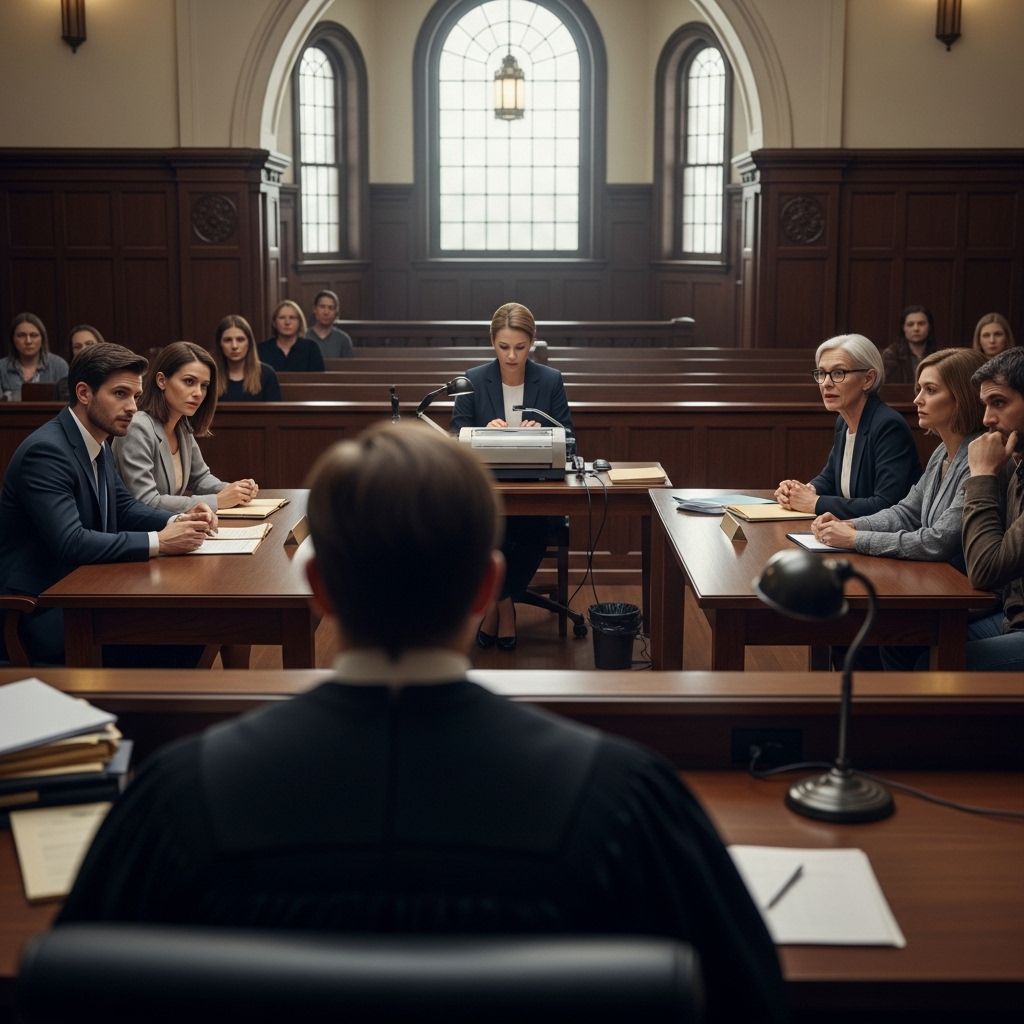
Litigation, on the other hand, involves taking your case to court and having a judge make decisions on your behalf. This path is generally more formal, time-consuming, and can be emotionally taxing. While litigation may be necessary in certain situations, such as when there are significant disagreements or complex financial issues, we often encourage clients to explore mediation first.
2. How is child custody determined in Michigan?
Child custody decisions in Michigan are based on the "best interests of the child." This is not just a legal phrase; it is the paramount guiding principle. The court considers various factors, including the child's preference (if they are of sufficient age and maturity), each parent's ability to provide a stable and loving environment, the child's relationship with each parent, and each parent's willingness to facilitate a relationship between the child and the other parent.

3. What is involved in creating an estate plan, and why do I need one?
Many people believe estate planning is only for the wealthy, but that's simply not true! An estate plan is a comprehensive set of legal documents that outlines your wishes for the distribution of your assets and the care of your loved ones in the event of your death or incapacitation. At a minimum, a basic estate plan typically includes a will, power of attorney, and healthcare directives.
4. What is a collaborative divorce, and is it right for me?
Collaborative divorce is an alternative dispute resolution process where both parties and their attorneys commit to resolving their divorce respectfully and outside of court. The focus is on open communication, transparency, and finding solutions that meet the needs of both parties and, most importantly, the children.
Family law matters can be daunting, but you don't have to face them alone. At Steslicki & Ghannam, PLC, we're here to provide you with the guidance and support you need to navigate these challenges with confidence. Contact us today to schedule a consultation and learn more about how we can help.